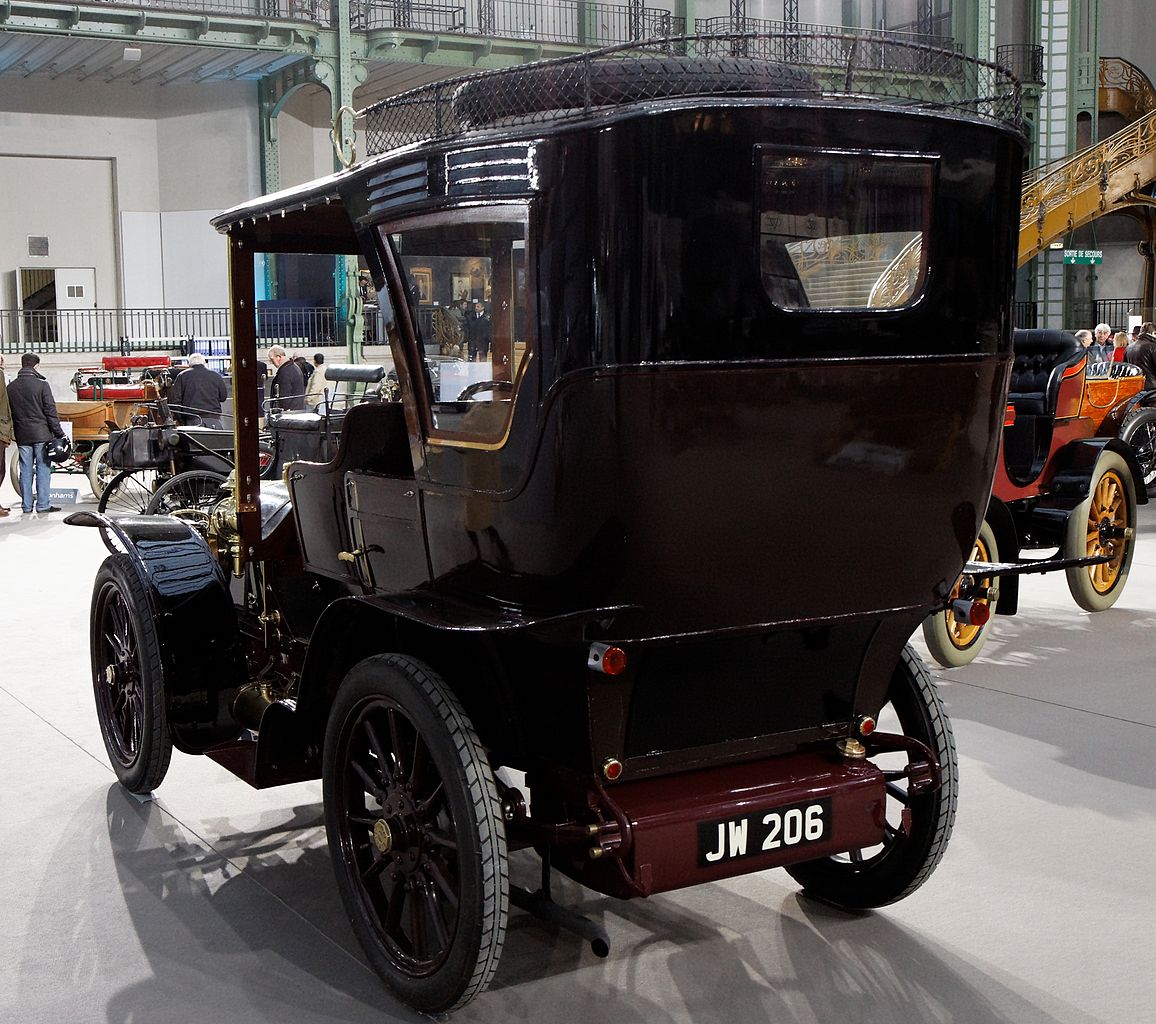
File:110 ans de l39;automobile au Grand Palais Berliet 20 CV Demi
Get link
Facebook
X
Pinterest
Email
Other Apps
Berliet ended up being a French manufacturer regarding automobiles, buses, trucks and military autos among other vehicles operating out of Vénissieux, outside of Lyon, France. Founded in 1899, and apart from a five-year period from 1944 to 1949 when it turned out put into 'administration sequestre' it absolutely was in private ownership until 1967 when after that it became part of Citroën, and subsequently acquired by means of Renault in 1974 in addition to merged with Saviem into a new Renault Trucks business in 1978. The Berliet marque was eliminated by 1980.Marius Berliet started his experiments with automobiles inside 1894. Some single-cylinder cars have been followed in 1900 by way of a twin-cylinder model. In 1902, Berliet took over the particular plant of Audibert & Lavirotte inside Lyon. Berliet started to create four-cylinder automobiles featured by way of a honeycomb radiator and metallic chassis frame was used rather then wood. The next year, a model was launched which was similar to contemporary Mercedes. In 1906, Berliet sold the driver's licence for manufacturing his model towards American Locomotive Company.
Beau Prospectus Car BERLIET Escapade Busse brochure prospekt bus LKW
Prior to World War I, Berliet offered a array of models from 8 CURRICULUM VITAE to 60 CV. The main models experienced four-cylinder engines (2412 closed circuit and 4398 cc, respectively), and there was a six-cylinder type of 9500 cc. A 1539 cc model (12 CV) seemed to be produced between 1910 and 1912. From 1912, six-cylinder models were made upon individual orders solely.The First World War led to a massive increase in demand. Berliet, like Renault and Latil, produced trucks for your French army. The military orders placed major demands within the factory's capacity, necessitating major investment within production plant and manufacturing facility space.In 1915 a 500 hectare site was acquired between Vénissieux et Saint-Priest in order to build a new major factory.The Berliet CBA became the iconic truck on the Voie Sacrée, supplying the battle top at Verdun during 1916. 25, 000 of these 4/5 ton Berliet trucks, originally launched in 1914, were ordered by the French army. During 1916 40 advisors were leaving the plant each day. Under license from Renault, Berliet were also producing shells and battle tanks right now. The number of personnel employed increased to 3, 150.By 1917 the worth of annual turnover had multiplied fourfold since the start of the war, and a new appropriate structure was deemed suitable. The company became the actual Société anonyme des Cars Marius Berliet.After the war the manufacturer reoriented part of its production back to help passenger cars, but Berliet nevertheless observed themselves with excess capability, as the army was not buying all the pickup trucks the factory could make, and overall output halved.Marius Berliet responded for the outbreak of peace by deciding to create just a single kind of truck and a single sort of car, which represented a departure from his pre-war current market strategy. The single truck on which Berliet focused was this 5 ton CBA that had served the united states so well during this war.
Cars Berliet, Bus Berliet – Galerie photos
The passenger car to become produced, exhibited on the Berliet stand in the 15th Paris Motor Display in October 1919, was the 3296cc (15HP/CV) "Torpedo" bodied "Berliet Kind VB" of modern appearance. Marius Berliet was not merely one to miss a strategy: rather than devote time and engineering talent to making a new car for the new decade, he obtained and replicated an American Dodge. The Dodge was notoriously robust, and the Berliet duplicate was well received with March 1919 when it had its first community outing, locally, at the Lyon Industry Fair. The headlights were mounted unusually high and the simple disc wheels have been large, giving the car a nice "no nonsense" look. Particularly attractive was the price tag on just 11, 800 francs in July 1919. Unfortunately, however, the Berliet engineers failed to make certain the steel used inside car's construction was from the same quality as the North american steel used for the actual Dodge, and this resulted in series problems for the early customers of the actual "Berliet Type VB" and serious reputational damage to the company.
MercedesBenz L 6600 platform truck at the Gaggenau plant, exterior
1936 Berliet 11 CV Type Dauphine
The factory ended up set up to make the "Berliet Type VB" at the rate of 100 cars every day which would have also been an ambitious target within any circumstances. The rapid drop-off sought after for what at this point was the manufacturer's merely passenger car model that followed the high quality issues plunged the organization into financial difficulties, with losses of second there’s 55 million francs recorded in a single year. Survival was in hesitation, and Berliet was put into judicial administration in 1921. Marius Berliet himself had held 88% of the share capital, but was unable in order to all the company's creditors as well as the firm therefore fell in the hands of the banking institutions. Berliet was nevertheless able to retain operational control. During the ensuring several years, supported by a sustained recovery sought after that in turn reflected a powerful model strategy after 1922, Berliet was able to his debtors and, in 1929, to regain financial control on the business from the financial institutions.
may be governed by copyright. – Send suggestions We Comply All TakeDown by Request.


Comments
Post a Comment